




Diabetes is a chronic health condition that affects how your body turns food into energy. It occurs when your blood glucose, also known as blood sugar, is too high. Blood glucose is your main source of energy and comes from the food you eat. Insulin, a hormone made by the pancreas, helps glucose from food get into your cells to be used for energy. Sometimes, your body doesn’t make enough—or any—insulin or doesn’t use insulin well. Glucose then stays in your blood and doesn’t reach your cells. Over time, having too much glucose in your blood can cause health problems. Although diabetes has no cure, you can take steps to manage your diabetes and stay healthy.
Types of Diabetes
There are three main types of diabetes: Type 1, Type 2, and gestational diabetes.
Type 1 Diabetes
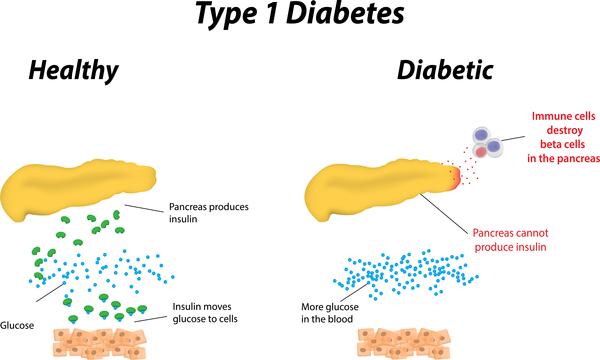
Type 1 diabetes is an autoimmune condition where the body’s immune system attacks the insulin-producing beta cells in the pancreas. The exact cause of this immune response is not well understood, but it is believed to involve a combination of genetic and environmental factors. People with Type 1 diabetes need to take insulin every day to stay alive. This type of diabetes is usually diagnosed in children, teenagers, and young adults, although it can appear at any age.
Causes of Type 1 Diabetes:
- Genetics: A family history of Type 1 diabetes increases the risk.
- Autoimmune Response: The body’s immune system mistakenly attacks insulin-producing cells in the pancreas.
- Environmental Factors: Certain viruses and other environmental factors might trigger the onset of Type 1 diabetes in genetically susceptible individuals.
Type 2 Diabetes
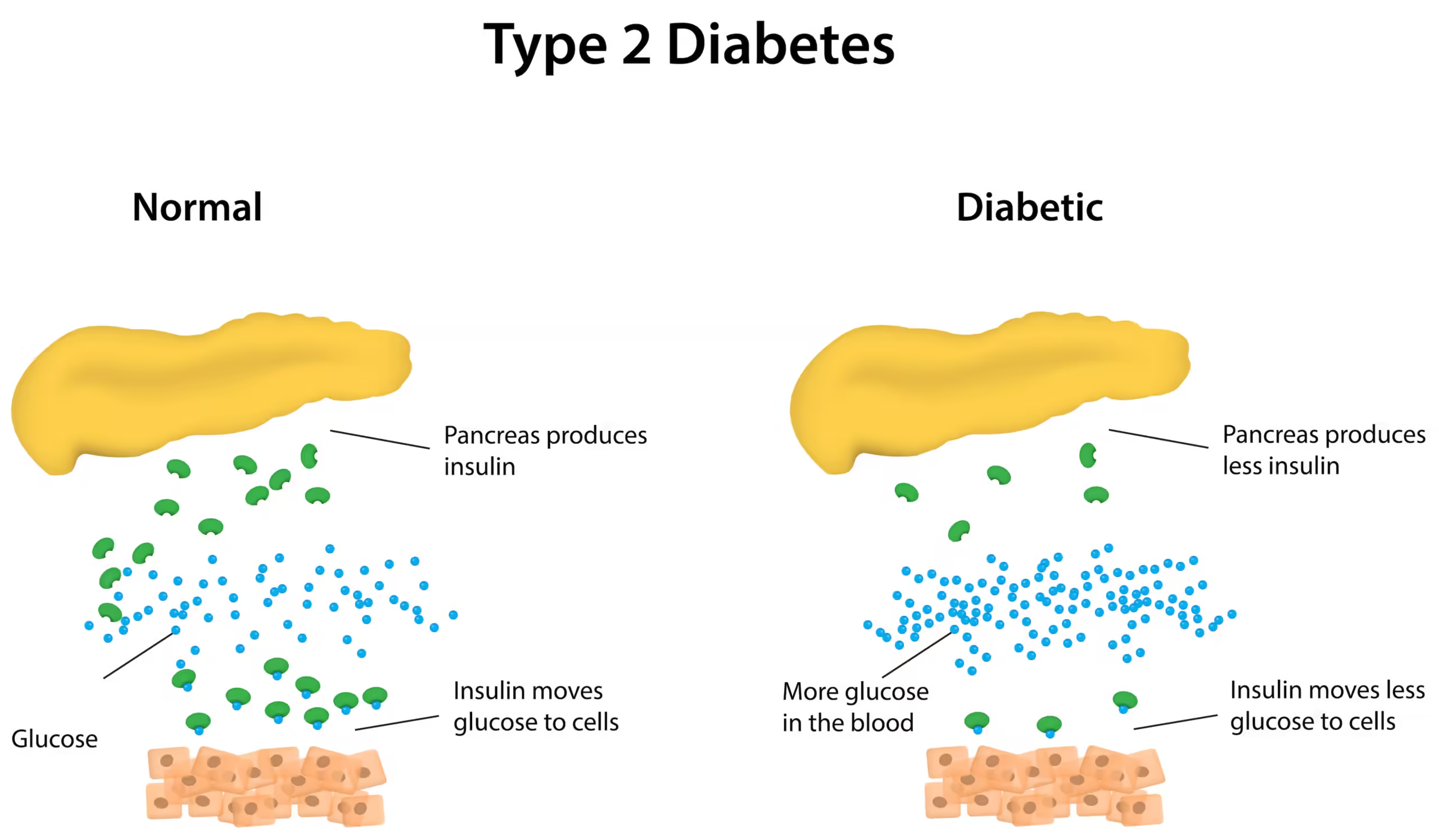
Type 2 diabetes is the most common form of diabetes. It develops when the body becomes resistant to insulin, or when the pancreas is unable to produce enough insulin. This type of diabetes is most often associated with older age, obesity, family history of diabetes, previous history of gestational diabetes, physical inactivity, and certain ethnicities.
Causes of Type 2 Diabetes:
- Genetics: Family history plays a significant role.
- Lifestyle Factors: Obesity, physical inactivity, and poor diet increase the risk.
- Insulin Resistance: Cells in the body become resistant to the effects of insulin.
- Age: Risk increases with age, particularly after age 45.
- Ethnicity: Certain ethnic groups have a higher risk of Type 2 diabetes.
Gestational Diabetes
Gestational diabetes develops during pregnancy (gestation). Like other types of diabetes, gestational diabetes affects how your cells use sugar (glucose). Gestational diabetes causes high blood sugar that can affect your pregnancy and your baby’s health. While any pregnancy complication is concerning, there’s good news. Pregnant women can help control gestational diabetes by eating healthy foods, exercising, and, if necessary, taking medication. Controlling blood sugar can prevent a difficult birth and keep you and your baby healthy.
Causes of Gestational Diabetes:
- Hormonal Changes: During pregnancy, the placenta produces hormones that can lead to insulin resistance.
- Genetics: A family history of diabetes can increase risk.
- Obesity: Being overweight before pregnancy increases the risk.
Common Causes and Risk Factors
While each type of diabetes has its own specific causes, some common risk factors apply to diabetes in general:
- Genetics: A family history of diabetes can increase your risk.
- Weight: Excess body fat, especially abdominal fat, is a significant risk factor.
- Inactivity: Physical inactivity can contribute to the development of diabetes.
- Diet: A diet high in refined sugars and carbohydrates can increase the risk.
- Age: The risk of Type 2 diabetes increases with age.
- High Blood Pressure: Having high blood pressure is often associated with diabetes.
Managing Diabetes
While diabetes is a serious condition, it is manageable with proper care. Management strategies include:
- Healthy Eating: Focus on eating a balanced diet rich in whole foods, including fruits, vegetables, lean proteins, and whole grains.
- Physical Activity: Regular exercise helps control blood sugar levels and maintain a healthy weight.
- Medication: Some people may need medication or insulin therapy to manage their diabetes.
- Regular Monitoring: Keep track of your blood sugar levels, and have regular check-ups with your healthcare provider.
Understanding the types and causes of diabetes is crucial in managing the condition and maintaining a healthy lifestyle. By being aware of the risk factors and making proactive changes, you can effectively manage diabetes and reduce the risk of complications.