



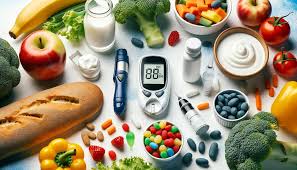
Managing diabetes effectively requires a comprehensive approach, with diet and nutrition playing a critical role. Making mindful food choices can help maintain stable blood sugar levels, improve overall health, and reduce the risk of complications. Here are essential diet and nutrition tips for diabetics to help manage their condition effectively.
Carbohydrates have a significant impact on blood sugar levels. It’s crucial to understand the different types of carbohydrates and how they affect the body:
- Simple Carbohydrates: Found in foods like sugary snacks, sodas, and processed foods, these carbohydrates can cause rapid spikes in blood sugar levels. It’s best to limit or avoid these.
- Complex Carbohydrates: Found in whole grains, vegetables, and legumes, these carbohydrates are digested more slowly, leading to more gradual increases in blood sugar. They are a healthier choice for maintaining stable blood sugar levels.
Choose Low Glycemic Index Foods
The glycemic index (GI) measures how quickly foods raise blood sugar levels. Low-GI foods cause slower, more controlled increases in blood sugar. Examples include:
- Whole grains (oats, quinoa, barley)
- Non-starchy vegetables (broccoli, spinach, peppers)
- Legumes (beans, lentils, chickpeas)
- Most fruits (berries, apples, pears)
Prioritize Fiber-Rich Foods
Fiber slows the absorption of sugar and helps regulate blood sugar levels. It also promotes digestive health and can help with weight management. Good sources of fiber include:
- Whole grains (brown rice, whole wheat bread, oats)
- Vegetables (carrots, leafy greens, broccoli)
- Fruits (berries, apples, oranges)
- Legumes (black beans, lentils, chickpeas)
- Nuts and seeds (chia seeds, flaxseeds, almonds)
Include Lean Proteins
Protein is essential for building and repairing tissues, and it helps keep you full longer, which can aid in weight management. Opt for lean protein sources to avoid excessive saturated fats. Good choices include:
- Poultry (chicken, turkey)
- Fish (salmon, tuna, mackerel)
- Lean meats (beef, pork)
- Plant-based proteins (tofu, tempeh, beans)
- Low-fat dairy (Greek yogurt, cottage cheese)
Healthy Fats Are Important
Incorporating healthy fats into your diet can help manage blood sugar levels and support heart health. Focus on unsaturated fats found in:
- Avocados
- Nuts and seeds (walnuts, almonds, chia seeds)
- Olive oil and other plant-based oils
- Fatty fish (salmon, mackerel, sardines)
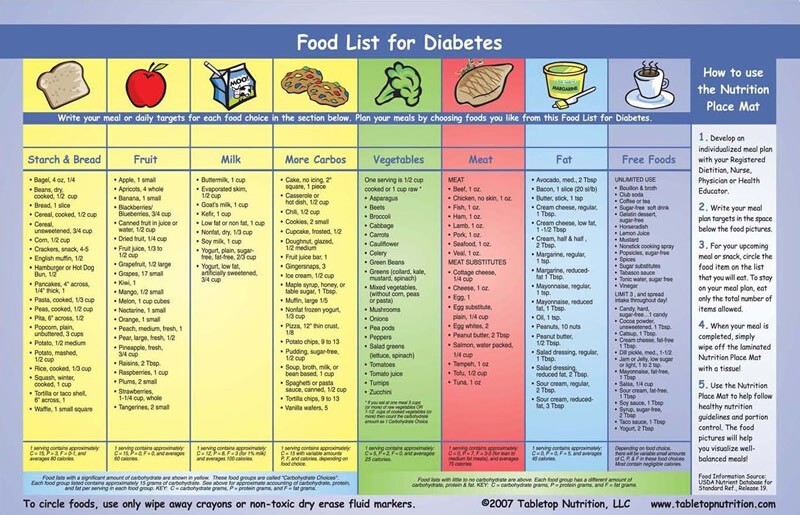
Plan Balanced Meals
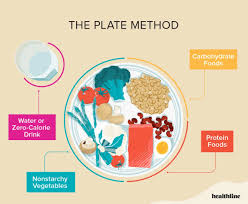
Eating balanced meals that include a mix of carbohydrates, protein, and healthy fats can help keep blood sugar levels steady. A simple way to plan balanced meals is using the plate method:
- Fill half your plate with non-starchy vegetables.
- Reserve a quarter for lean proteins.
- Use the remaining quarter for whole grains or starchy vegetables.
- Add a serving of healthy fat, like a drizzle of olive oil or a handful of nuts.
Monitor Portion Sizes
Portion control is vital for managing blood sugar levels and preventing overeating. Use these tips to help control portions:
- Use smaller plates and bowls to help with portion control.
- Measure portions, especially for high-carb foods.
- Be mindful of serving sizes when eating out; consider sharing dishes or packing leftovers.
Stay Hydrated
Drinking plenty of water helps keep you hydrated and can aid in blood sugar control. Aim for at least eight glasses of water a day. Avoid sugary drinks like sodas and fruit juices, as they can cause spikes in blood sugar levels.
Limit Processed Foods and Sugars
Processed foods often contain added sugars, unhealthy fats, and high levels of sodium, all of which can negatively impact blood sugar levels and overall health. Focus on whole, unprocessed foods whenever possible.
Plan for Snacks
Healthy snacks can help maintain blood sugar levels between meals. Good snack options include:
- A handful of nuts or seeds
- Fresh vegetables with hummus
- A piece of fruit with a small serving of cheese
- Greek yogurt with berries
- A small serving of whole-grain crackers with peanut butter
Regular Monitoring and Adjustments
It’s important to regularly monitor your blood sugar levels to understand how different foods affect you. Keep a food diary and note any patterns or changes in blood sugar levels. This information can help you make informed dietary adjustments and discuss any concerns with your healthcare provider.
Seek Professional Guidance
A registered dietitian or certified diabetes educator can provide personalized nutrition advice tailored to your specific needs and lifestyle. They can help you develop a meal plan that ensures balanced nutrition while effectively managing your diabetes.