
Monitoring blood sugar levels is a critical aspect of managing diabetes effectively. Regular monitoring helps individuals with diabetes understand how their bodies respond to food, physical activity, medication, and other factors, allowing for better control of blood sugar levels and prevention of complications. In this article, we will explore various tools and techniques used for monitoring blood sugar levels.
Importance of Monitoring Blood Sugar Levels
Monitoring blood sugar levels provides valuable insights into diabetes management:
- Control: Helps maintain blood sugar levels within target ranges to prevent hyperglycemia (high blood sugar) and hypoglycemia (low blood sugar).
- Understanding Patterns: Identifies trends and patterns in blood sugar levels throughout the day, guiding adjustments to diet, exercise, and medication.
- Prevention of Complications: Early detection of fluctuations in blood sugar levels helps reduce the risk of diabetes-related complications such as cardiovascular disease, neuropathy, and kidney damage.
Tools for Monitoring Blood Sugar Levels
Several tools are available for monitoring blood sugar levels, ranging from traditional glucometers to continuous glucose monitoring (CGM) systems:
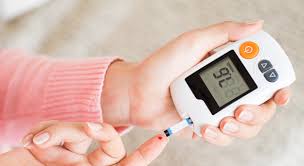
- Glucometers: Portable devices that measure blood sugar levels using a small drop of blood obtained by pricking the fingertip. Results are typically available within seconds. Glucometers are suitable for occasional or regular testing.
- Continuous Glucose Monitoring (CGM) Systems: These devices provide real-time readings of blood sugar levels throughout the day and night. A tiny sensor is placed under the skin to measure glucose levels in the interstitial fluid, transmitting data wirelessly to a receiver or smartphone app. CGM systems provide detailed glucose trends and alerts for high or low blood sugar levels.
- Flash Glucose Monitoring (FGM) Systems: Similar to CGM systems, FGM systems continuously monitor glucose levels but do not require regular fingerstick calibrations. Users can scan the sensor with a reader or smartphone to obtain glucose readings.
- Insulin Pumps with Integrated CGM: Some insulin pumps feature integrated CGM capabilities, allowing for insulin delivery adjustments based on real-time glucose data.
Techniques for Blood Sugar Monitoring
- Fingerstick Testing:
- Wash hands with soap and water, then dry thoroughly.
- Insert a test strip into the glucometer.
- Prick the fingertip using a lancet device.
- Apply the blood droplet to the test strip and wait for the glucometer to display the blood sugar level.
- Continuous Glucose Monitoring (CGM):
- Attach the CGM sensor to a clean, dry area of the skin, usually on the abdomen or upper arm.
- Follow device-specific instructions to activate and pair the CGM system with a receiver or smartphone app.
- Regularly check the CGM receiver or app for real-time glucose readings and trends.
- Interpretation and Action:
- Record blood sugar readings in a logbook or diabetes management app.
- Analyze trends and patterns to identify factors affecting blood sugar levels.
- Adjust diet, exercise, or medication based on blood sugar readings and healthcare provider recommendations.
Tips for Effective Blood Sugar Monitoring
- Consistency: Test blood sugar levels regularly, especially before meals, exercise, and bedtime.
- Quality Control: Use quality test strips and regularly calibrate CGM systems according to manufacturer guidelines.
- Pattern Recognition: Look for patterns in blood sugar levels over time, such as post-meal spikes or overnight drops.
- Communication: Share blood sugar data with healthcare providers during routine visits for comprehensive diabetes management.
Monitoring blood sugar levels is a fundamental aspect of diabetes management, empowering individuals with diabetes to make informed decisions about their health. By utilizing tools such as glucometers, continuous glucose monitoring systems, and flash glucose monitoring systems, individuals can gain valuable insights into their blood sugar trends and take proactive steps to maintain optimal blood sugar control.