

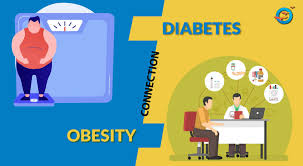
Obesity and Type 2 diabetes are interconnected health conditions with a significant cause-and-effect relationship. Understanding the complex link between obesity and Type 2 diabetes is crucial for effective prevention and management strategies. This article explores how obesity contributes to the development of Type 2 diabetes and discusses key considerations for individuals at risk.
Understanding Type 2 Diabetes
Type 2 diabetes is a chronic metabolic disorder characterized by insulin resistance and impaired insulin secretion. Insulin is a hormone produced by the pancreas that helps regulate blood sugar (glucose) levels. In Type 2 diabetes, cells become resistant to insulin, leading to elevated blood sugar levels and eventually causing pancreatic beta cells to produce less insulin.
The Role of Obesity
Obesity is a significant risk factor for developing Type 2 diabetes. Excess body weight, especially abdominal (visceral) fat, contributes to insulin resistance and other metabolic abnormalities that can lead to the onset of diabetes. The following mechanisms explain the relationship between obesity and Type 2 diabetes:
- Insulin Resistance: Adipose (fat) tissue, particularly visceral fat located around organs in the abdomen, releases inflammatory substances and hormones that interfere with insulin action. This promotes insulin resistance, making it harder for cells to respond to insulin and absorb glucose effectively.
- Inflammation: Obesity is associated with chronic low-grade inflammation, characterized by increased levels of inflammatory markers (such as C-reactive protein). Inflammation disrupts insulin signaling pathways, further contributing to insulin resistance and diabetes development.
- Dyslipidemia: Obesity often leads to abnormal lipid profiles, including elevated levels of triglycerides and low-density lipoprotein (LDL) cholesterol, and reduced levels of high-density lipoprotein (HDL) cholesterol. Dyslipidemia is linked to insulin resistance and cardiovascular complications in diabetes.
- Adipokines: Adipose tissue secretes bioactive molecules called adipokines, such as leptin and adiponectin. Dysregulated adipokine levels in obesity contribute to insulin resistance, impaired glucose metabolism, and inflammation.
Obesity and Diabetes Risk
The risk of developing Type 2 diabetes increases significantly with obesity:
- Body Mass Index (BMI): BMI is a measure of body weight relative to height. A BMI of 30 or higher is classified as obesity and is strongly associated with a higher risk of developing Type 2 diabetes.
- Waist Circumference: Excess abdominal fat (central obesity) is particularly concerning for diabetes risk. Men with a waist circumference of 40 inches or more and women with a waist circumference of 35 inches or more are at increased risk.
- Distribution of Body Fat: The distribution of body fat, especially visceral fat around the abdomen, is a more important predictor of diabetes risk than total body fat.
Prevention and Management Strategies
Preventing and managing obesity is crucial for reducing the risk of Type 2 diabetes:
- Healthy Diet: Adopt a balanced diet rich in fruits, vegetables, whole grains, lean proteins, and healthy fats. Limit intake of processed foods, sugary beverages, and high-calorie snacks.
- Regular Physical Activity: Engage in regular exercise, aiming for at least 150 minutes of moderate-intensity aerobic activity per week. Exercise helps maintain a healthy weight, improves insulin sensitivity, and reduces diabetes risk.
- Weight Management: Achieve and maintain a healthy weight through a combination of diet and exercise. Even modest weight loss (5-10% of body weight) can significantly reduce diabetes risk.
- Lifestyle Modifications: Avoid sedentary behavior, prioritize adequate sleep, manage stress levels, and quit smoking.
Obesity is a major modifiable risk factor for Type 2 diabetes, exerting its influence through mechanisms such as insulin resistance, inflammation, and dyslipidemia. Addressing obesity through lifestyle modifications, including healthy eating habits, regular physical activity, and weight management, is essential for preventing and managing Type 2 diabetes.