



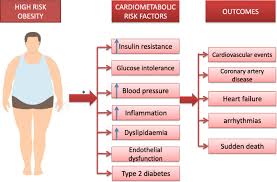
Diabetes and cardiovascular disease (CVD) are closely linked, with diabetes significantly increasing the risk of developing various heart and vascular problems. Understanding this connection is essential for individuals with diabetes to take proactive steps to protect their cardiovascular health and reduce the risk of serious complications.
The Link Between Diabetes and Cardiovascular Disease
People with diabetes have a higher risk of developing cardiovascular disease compared to those without diabetes. The reasons for this increased risk include:
- High Blood Sugar Levels: Persistently elevated blood sugar levels can damage blood vessels and nerves over time, contributing to atherosclerosis (narrowing and hardening of arteries) and increasing the risk of heart attack and stroke.
- Abnormal Blood Fat Levels: Diabetes can lead to abnormal levels of cholesterol and triglycerides, which can accelerate the buildup of fatty deposits in blood vessels, further increasing the risk of heart disease.
- High Blood Pressure: Diabetes is often associated with high blood pressure (hypertension), another significant risk factor for cardiovascular disease.
- Inflammation: Chronic inflammation, which is common in diabetes, plays a role in the development of cardiovascular complications.
Types of Cardiovascular Complications Associated with Diabetes
Individuals with diabetes are at higher risk of several cardiovascular complications, including:
- Coronary Artery Disease (CAD): Narrowing or blockage of the coronary arteries due to atherosclerosis, which can lead to chest pain (angina) or heart attack.
- Peripheral Artery Disease (PAD): Reduced blood flow to the limbs, particularly the legs, due to atherosclerosis in peripheral arteries, leading to pain, numbness, or even gangrene in severe cases.
- Stroke: Reduced blood flow to the brain due to blockage or rupture of blood vessels, leading to neurological deficits.
- Heart Failure: Weakening of the heart muscle’s ability to pump blood effectively, often resulting from long-standing uncontrolled high blood pressure or previous heart attacks.
Managing Diabetes to Protect Cardiovascular Health
Managing diabetes effectively is key to reducing the risk of cardiovascular complications. Important strategies include:
- Blood Sugar Control: Keeping blood sugar levels within target ranges through a healthy diet, regular exercise, and medication (insulin or oral medications) as prescribed by healthcare providers.
- Blood Pressure Management: Maintaining blood pressure levels below 130/80 mmHg through lifestyle modifications (such as reduced salt intake, regular exercise, and weight management) and medications if needed.
- Cholesterol and Lipid Control: Monitoring and managing cholesterol levels (LDL, HDL, and triglycerides) through diet, exercise, and medications (such as statins) as recommended by healthcare providers.
- Healthy Lifestyle Choices: Adopting a heart-healthy lifestyle by quitting smoking, maintaining a healthy weight, engaging in regular physical activity, and following a balanced diet rich in fruits, vegetables, whole grains, and lean proteins.
- Regular Medical Check-ups: Routine monitoring of blood sugar levels, blood pressure, cholesterol levels, and kidney function through regular visits to healthcare providers.
Collaborative Care Approach
Managing diabetes and cardiovascular health often requires a collaborative approach involving healthcare professionals such as endocrinologists, cardiologists, primary care physicians, dietitians, and diabetes educators. This team can provide comprehensive care, monitor progress, and adjust treatment plans as needed to optimize outcomes.